
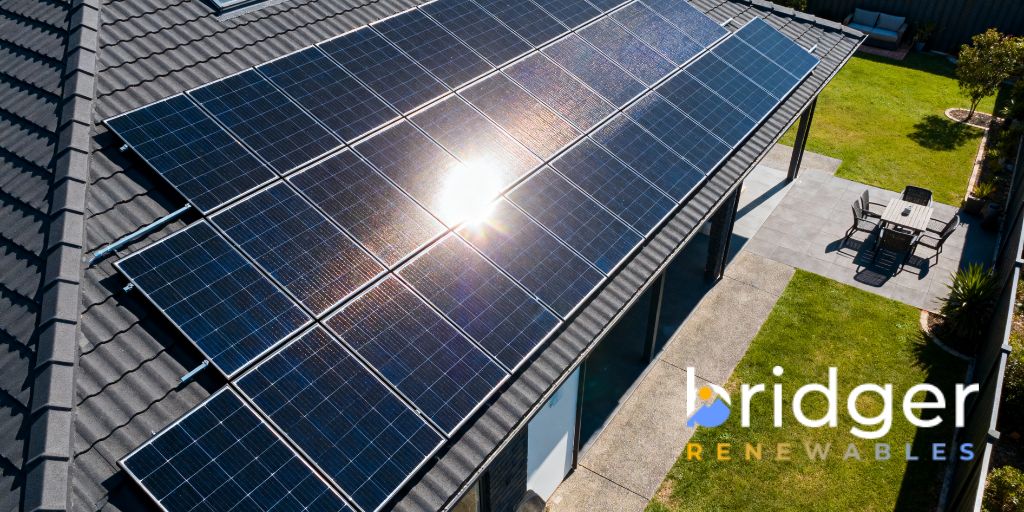
Homeowners across Montana are asking the same question as electricity costs continue to rise: will solar actually work for my home? Cold winters, snow-covered roofs, and fewer daylight hours make the decision feel risky. At the same time, stories about tax credits, net metering, and lower monthly bills create pressure to act quickly. This mix of uncertainty and urgency often leaves homeowners stuck between interest and hesitation.
That hesitation grows when information online is either oversimplified or overly technical. Generic advice rarely accounts for Montana’s weather, utility rules, or property layouts. The solution is not a sales pitch or a guess. It is a clear, practical checklist based on real installation factors and proven system behavior. This guide explains ‘Is Solar Right for Your Home in Montana’ by helping homeowners evaluate their property using credible, experience-based criteria before making a financial commitment.
Table of Contents
- The Roof Tells the First Story
- Your Power Bills Leave Clues
- Weather Is Not the Enemy
- Land, Zoning, and Local Rules
- Money In vs Time Out
- A Practical Yes or No
- Quick FAQs About Solar for Montana Homes
The Roof Tells the First Story
A solar system performs only as well as the surface supporting it. Roof orientation, structure, and exposure directly influence energy output and system longevity. When these elements align with Montana’s sun path and seasonal conditions, solar production becomes reliable instead of unpredictable. Ignoring roof fundamentals often leads to underperformance, regardless of panel quality.
Because the roof anchors the entire system, it should be assessed before design decisions are made. Layout limitations, snow load handling, and long-term access all depend on roof characteristics. Treating the roof as part of the energy system, rather than a backdrop, creates a stronger foundation for solar planning.
Direction Over Design
Roof direction determines how consistently panels receive sunlight during the day. In Montana, south-facing roofs usually provide balanced exposure, while east- and west-facing roofs can still support strong production depending on usage patterns. Consistency matters more than perfect alignment. Panels that receive steady light across hours tend to support dependable output. Placement decisions should prioritize performance first, not visual symmetry.
Pitch Matters More Than Age
Roof pitch affects sunlight angles and how snow clears after storms. Moderate slopes often balance winter and summer output well in Montana’s climate. Steeper pitches can shed snow faster, restoring production sooner. Roof age is secondary to structural integrity. A well-maintained older roof may still support solar, while poor timing can increase future removal costs.
Shade Is the Quiet Dealbreaker
Shade quietly reduces solar performance. Trees, chimneys, or nearby structures can block sunlight during key hours, lowering system output. Even partial shade can affect overall production because panels operate together. Seasonal shade analysis helps identify these issues early. Addressing shade through trimming, repositioning, or alternate mounting options protects long-term system reliability.
Your Power Bills Leave Clues
Monthly electric bills reveal how energy flows through a home. Instead of focusing only on the total cost, patterns over time show whether solar can offset meaningful usage. Seasonal spikes, heating methods, and lifestyle habits all influence system sizing. Looking at these trends provides a clearer picture of potential savings than any estimate tool.
Utility data also helps avoid overbuilding or undersizing a system. A well-matched solar setup balances production with consumption across the year. By reviewing bills carefully, homeowners gain insight into how solar fits into their daily energy needs rather than guessing based on averages.
Monthly Usage Patterns
Electric usage changes with the seasons in Montana. Winter heating, summer cooling, and daylight hours all affect demand. Reviewing a full year of bills shows how much energy is used during peak and low periods. This helps determine whether solar can offset a large share of usage or only a portion. Consistent data leads to realistic expectations and smarter system planning.
What to review on your bills:
- Average monthly kilowatt-hour usage
- Winter versus summer consumption differences
- Spikes tied to heating systems or added appliances
Utility Rates in Your Area
Electric rates vary by provider and location across Montana. Some utilities charge flat rates, while others adjust pricing over time. Understanding how rates have changed helps estimate long-term value. Even small increases can add up over years. Solar becomes more attractive when future rate growth is considered alongside current costs.
Details worth checking:
- Current price per kilowatt-hour
- Past rate increases
- Service fees separate from energy usage
Net Metering Reality in Montana
Net metering rules shape how excess solar energy is credited. In Montana, utilities apply different policies that affect monthly credits and annual rollovers. Knowing how credits are calculated prevents misunderstandings about savings. Seasonal overproduction may not always carry full value into winter months. Clear knowledge here supports accurate financial planning.
Key net metering factors:
- Credit value for excess production
- Annual or monthly reset rules
- Utility-specific limitations
RELATED: Solar Energy Investment in Montana: Analyzing the Cost, Value, and Financial Returns
Weather Is Not the Enemy
Cold climates often raise doubts about solar performance, yet temperature alone does not limit energy production. In fact, solar panels operate more efficiently in cooler air than in extreme heat. What matters most is light, not warmth. Montana’s clear skies and high elevation often support strong annual production despite winter conditions.
Seasonal weather affects timing rather than total output. Snow, wind, and storms influence short-term performance but rarely eliminate long-term value. When systems are designed for local conditions, weather becomes a factor to plan around instead of a reason to avoid solar altogether.
Cold Helps Panels Work
Lower temperatures improve electrical efficiency inside solar cells. As panels stay cooler, resistance drops and energy conversion improves. This means clear winter days can still produce solid output even when air temperatures are low. While daylight hours are shorter, efficiency gains help balance performance across seasons. Cold itself does not reduce panel lifespan or reliability.
Snow Loss vs Annual Gain
Snow can temporarily block sunlight, yet it usually slides off panels faster than expected. Smooth panel surfaces and angled mounting help clear snow naturally. Short production pauses after storms rarely outweigh gains from the rest of the year. In many cases, snow reflection can even boost light exposure on clear days. Annual output matters more than daily interruptions.
Wind, Hail, and Load Ratings
Solar systems installed in Montana are built to meet strict structural standards. Panels are tested for wind pressure, hail impact, and snow load before installation. Mounting systems anchor panels securely to withstand strong gusts and heavy accumulation. Proper engineering ensures the system remains stable and safe through changing weather conditions year after year.
Land, Zoning, and Local Rules
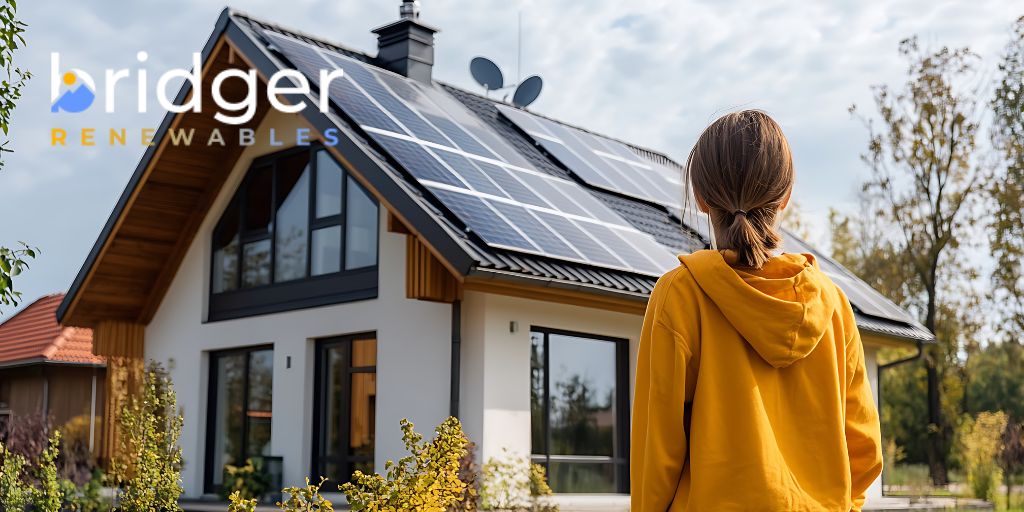
Solar planning extends beyond the roof. Property layout, local regulations, and permitting requirements shape what is possible. City limits, county rules, and utility guidelines differ across Montana. Understanding these layers early prevents delays and redesigns later in the process.
Local approval processes also affect timelines and system placement. Some properties allow flexible layouts, while others impose strict visibility or setback rules. Reviewing land and zoning factors early ensures the system design aligns with legal and practical boundaries before installation begins.
City vs County Requirements
Permitting processes vary depending on location. City jurisdictions often have defined review steps, while county areas may follow broader guidelines. Each authority sets rules for inspections, electrical standards, and structural approval. Knowing which office oversees your property helps avoid stalled applications and repeated revisions.
Items commonly reviewed:
- Electrical permits and inspections
- Structural and mounting approval
- Utility interconnection requirements
HOA and Property Limits
Homeowner associations may regulate system visibility, placement, or mounting style. These rules aim to preserve neighborhood appearance but can affect panel layout. Reviewing HOA guidelines early helps prevent redesigns or denied approvals. Written approvals are often required before installation proceeds.
Common HOA considerations:
- Visibility from the street
- Roof edge setbacks
- Ground-mount restrictions
Ground Mount or Roof Mount
Some properties offer more than one installation option. Roof-mounted systems work well for many homes, while ground-mounted systems suit larger lots or shaded roofs. Ground mounts require space, trenching, and access planning. Choosing the right mounting approach balances performance, maintenance access, and long-term flexibility.
Factors that influence the choice:
- Available land area
- Shading patterns
- Access for future service
RELATED: Montana Solar Power: Why Bridger Renewables Is Your Trusted Local Choice for Reliable Results
Money In vs Time Out
Every solar decision balances upfront investment against long-term return. Costs include equipment, installation, permits, and grid connection, while benefits appear gradually through lower utility bills. Instead of focusing on price alone, it helps to view solar as a shift in how energy costs are paid. The goal is not instant payoff but steady reduction of long-term expenses.
Financial outcomes also depend on timing and expectations. Incentives reduce entry costs, while system design affects how quickly savings appear. When cost and time are viewed together, solar becomes easier to evaluate as a practical home improvement rather than a risky purchase.
Upfront Cost vs Long-Term Offset
Initial solar costs can feel significant, yet they replace decades of future energy payments. Over time, monthly savings offset installation expenses, especially as utility rates rise. The size of the system, financing method, and energy usage all affect how quickly offsets accumulate. Viewing solar as cost replacement rather than added expense helps clarify its value.
Incentives That Actually Apply
Federal tax credits reduce the total cost of a solar system when eligibility requirements are met. Montana homeowners may also benefit from local utility programs or financing options. Understanding which incentives apply prevents overestimating savings. Accurate incentive planning ensures expectations stay realistic and financially sound.
Break-Even Timeframes in Montana
Break-even points vary based on usage, rates, and system design. In Montana, colder climates do not delay payback as much as many expect. Clear skies and efficient panels support reliable annual output. Most homeowners benefit from estimating timelines using real utility data instead of generic calculators.
RELATED: Tax Incentives in Montana for Installing Solar Panels: Why Now Is the Time to Go Solar
A Practical Yes or No
Choosing solar is less about guessing and more about understanding how your home works as a system. Roof structure, energy use, local rules, weather patterns, and financial timing all connect. When these pieces are reviewed together, the decision becomes clearer and far less emotional. Instead of reacting to trends or fear of missing out, homeowners gain control by using real information tied to their own property.
This checklist approach shows that solar success in Montana is not accidental. It comes from matching the right home with the right system at the right time. By stepping through each factor carefully, homeowners can confidently answer ‘Is Solar Right for Your Home in Montana’ without pressure, confusion, or unrealistic promises. The result is clarity, whether the answer is yes now, yes later, or not yet.
Clear answers start with real data.
If you want a clear answer based on your roof, land, usage, and local utility rules—not assumptions—schedule a professional solar assessment with Bridger Renewables. A proper evaluation shows whether solar makes sense now, later, or not at all for your property. Call us today at (406) 438-4222 or use the online form for a straightforward site review that looks at your roof, usage, land, and local rules in one clear process.
Confidence beats guessing—every time.
Our Service Areas in Montana:
Quick FAQs About Solar for Montana Homes
1. Does solar energy work during Montana winters?
Yes, solar panels continue producing electricity during Montana winters as long as sunlight reaches the panels. Cold temperatures actually help panels operate more efficiently, while snow usually slides off faster than expected. Although winter days are shorter, annual production remains strong when systems are designed for local conditions.
2. What incentives are available for solar in Montana?
Montana homeowners may qualify for the federal solar tax credit, which reduces the total system cost when eligibility requirements are met. Some utilities also offer net metering or energy programs that improve long-term value. Incentives change over time, so confirming current options is essential before installation.
3. How do I know if my home is a good fit for solar panels?
A home’s solar potential depends on roof direction, shading, energy usage, land availability, and local regulations. Reviewing these factors together gives a clear answer instead of relying on estimates. A professional site assessment provides the most accurate evaluation for Montana properties.