
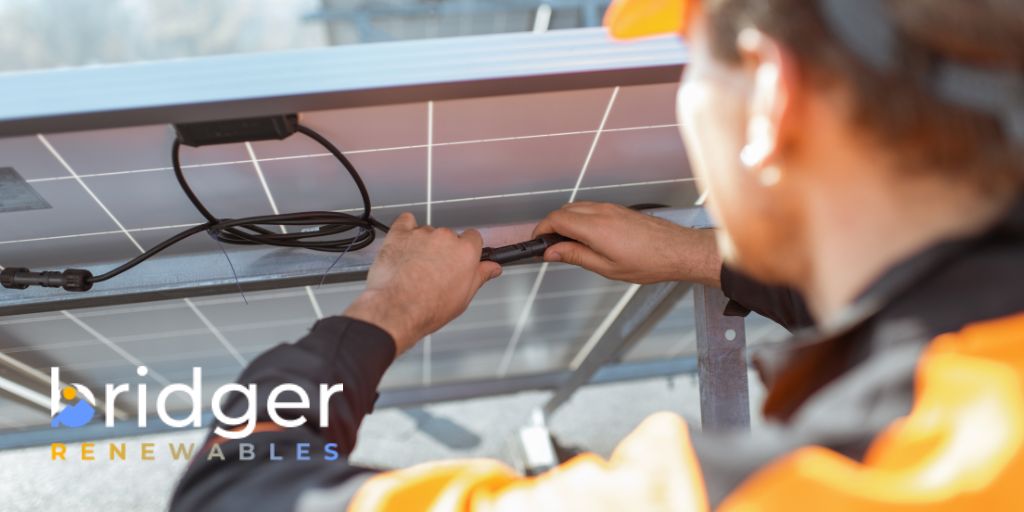
A professional solar site assessment takes the guesswork out of going solar. It’s where trained experts evaluate your property, roof, and electrical setup to determine the best solar configuration for your needs. In this guide, we’ll walk you through exactly what to expect during this process, from roof inspection and shading analysis to energy usage evaluation, so you’ll feel confident and ready to take the next step toward sustainable power.
Table of Contents
- What is Solar Site Assessment
- What Happens During a Professional Solar Site Assessment
- Key Measurements and Data Collected
- Preparing Your Property for a Site Assessment
- Next Steps After Your Solar Site Assessment
- Start Your Solar Journey with Confidence
- Quick FAQs About Professional Solar Site Assessment
What is Solar Site Assessment
A solar site assessment is the foundation of a successful solar installation. It ensures your home or business is suitable for solar energy, both structurally and environmentally. Professionals use this stage to collect precise measurements, analyze energy usage, and evaluate sunlight exposure. This data forms the basis for your solar design and ensures you get the maximum return on your investment. Without this crucial assessment, your system might produce less energy than expected or fail to meet local building codes.
By understanding the purpose of a site assessment, you can appreciate its value beyond just “checking boxes.” It helps tailor your solar design to your property’s exact conditions, such as roof slope, direction, and shading patterns, while also aligning with your energy goals. The result is a safe, efficient system that performs at its peak for decades.
Why Site Assessments Are the First Step in Solar Installation
Every solar journey begins with an assessment because it determines feasibility and system size. During this phase, specialists gather detailed information about your roof type, materials, and condition. They also check your geographic location, as sunlight hours and weather patterns differ from place to place. By doing this first, you prevent costly redesigns or inefficiencies later on. Think of it as laying the blueprint for your solar success story.
Evaluating Energy Usage and Home Efficiency
Energy professionals review your recent electric bills to understand consumption patterns—how much power you use and when. This helps them size your system appropriately and ensure it can offset your energy costs effectively. They also check insulation, HVAC efficiency, and lighting since improving these areas can enhance solar performance. This step creates a complete picture of your home’s energy profile.
The Role of Certified Assessors in Ensuring Accuracy
A professional solar site assessment should always be conducted by a certified or NABCEP-accredited technician. These experts have the tools and training to identify potential issues early, such as wiring constraints or structural weaknesses. Their experience ensures your design meets both safety regulations and manufacturer guidelines. Their assessment guarantees a reliable, long-lasting solar investment.
RELATED: Montana Solar Power: Why Bridger Renewables Is Your Trusted Local Choice for Reliable Results
What Happens During a Professional Solar Site Assessment
During the on-site visit, your solar specialist will perform a full inspection of your property. This includes the roof, surrounding environment, and electrical system. Expect them to take photos, use measuring equipment, and analyze sunlight exposure at various times of the day. These detailed observations help create an accurate system design that aligns with your goals.
The process may take one to two hours, depending on the complexity of your property. The technician will also discuss potential mounting options, ideal panel placement, and inverter locations. By the end of this visit, you’ll have a clear understanding of how solar will integrate seamlessly with your home.
Roof Condition and Structural Evaluation
Your roof’s health directly affects your solar installation. Assessors inspect the material, pitch, and framing to ensure it can handle the additional load of solar panels. They also check for damage, leaks, or weak points that may need repair before installation. If your roof is nearing the end of its lifespan, they might recommend replacing it first to avoid future disruptions.
Shading and Sunlight Analysis Using Advanced Tools
Technicians use tools like solar pathfinders, drones, or irradiance meters to measure sunlight exposure. These devices map how trees, buildings, or other obstacles may cast shadows throughout the day. Even small obstructions can impact performance, so this step ensures your panels are positioned for maximum sunlight. The data collected helps determine your system’s potential energy output.
Electrical System and Utility Connection Check
Assessors evaluate your home’s electrical setup, including breaker capacity, panel condition, and meter location. This ensures compatibility with solar equipment and prevents overload issues. They’ll also identify where your inverter and monitoring devices can be installed. Proper electrical planning is key to a safe and efficient solar system that meets local utility requirements.
Key Measurements and Data Collected
Precise measurements are the backbone of any professional solar site assessment. Experts gather physical dimensions, angles, and electrical details to build an accurate system model. This data determines how much energy your solar panels will produce and how long it will take to achieve a return on your investment. The process blends science, engineering, and practical design into one streamlined evaluation.
From the roof pitch to azimuth direction, every detail matters. A few degrees’ difference in panel angle can affect annual energy production significantly. That’s why professional assessors rely on advanced software to process and interpret field data—ensuring optimal efficiency before any installation begins.
Roof Tilt, Orientation, and Azimuth
The roof’s tilt and direction determine how much sunlight panels receive. Assessors use tools to measure these precisely, then calculate the ideal angle for panel placement. For example, a south-facing roof in the U.S. often produces the best results. This information is crucial for designing systems that generate consistent, year-round power.
Available Space and Obstruction Mapping
Assessors identify the total usable area for solar panels, marking obstructions like vents, skylights, or chimneys. They may also evaluate nearby trees or buildings that could cause shading issues. By mapping these features, they can maximize efficiency and avoid interference that might reduce output over time.
Estimating Energy Output and System Efficiency
After collecting field data, assessors input the details into simulation software to forecast your system’s energy potential. This analysis estimates monthly and annual energy production, efficiency rates, and potential savings. The report helps you understand what to expect in terms of performance and return on investment.
RELATED: Solar Energy Investment in Montana: Analyzing the Cost, Value, and Financial Returns
Preparing Your Property for a Site Assessment
Getting your home ready before the solar technician arrives can make the process faster, smoother, and more accurate. When assessors can easily access your roof, attic, and electrical systems, they collect better data and complete the evaluation more efficiently. Preparation also allows you to address potential obstacles, like tree branches, debris, or blocked access points, that could delay your solar journey. Remember, this visit is not just about inspection; it’s about creating the perfect blueprint for your solar energy future.
A well-prepared homeowner shows commitment and helps technicians focus on technical details rather than logistics. The more prepared you are, the easier it is for them to conduct sunlight analysis, take roof measurements, and assess your electrical system accurately. Even small steps like cleaning outdoor spaces or having the right documents ready can make a significant difference. Here’s how to make the most of your professional solar site assessment.
What Homeowners Should Do Before the Visit
To get the best results, a bit of preparation goes a long way. Here are key actions to take before your technician arrives:
- Clear pathways and access points: Ensure easy access to your roof, attic, and electrical panels.
- Secure pets and children: Keep them safe and out of working zones.
- Gather recent utility bills: These help assess your average energy usage and determine system size.
- Trim overhanging trees: This improves safety and gives assessors a clearer view of potential shading.
- Be available for questions: Technicians may need quick confirmations or clarifications during the assessment.
Questions to Ask Your Solar Technician
Being proactive during the assessment helps you understand your solar investment better. Asking the right questions builds trust, sets clear expectations, and ensures your solar provider designs a system that meets your needs. Prepare a few key questions before your appointment, such as:
- “How long will my roof last with solar panels?” – This helps you understand if roof reinforcement or replacement is necessary.
- “What warranties come with my solar panels and inverter?” – Clarify coverage for equipment, labor, and performance guarantees.
- “What incentives or rebates am I eligible for?” – Ask about federal tax credits, local rebates, or financing options.
- “How will I monitor my solar system’s performance?” – Learn about monitoring apps and maintenance services available.
- “What’s the expected installation timeline?” – Understand scheduling, permits, and expected completion dates.
- “Who handles permits and inspections?” – Confirm if your provider manages local approvals to prevent project delays.
RELATED: Tax Incentives in Montana for Installing Solar Panels: Why Now Is the Time to Go Solar
Common Mistakes to Avoid During the Assessment
One common mistake is neglecting to mention roof repairs or structural changes that could affect mounting options. Another is leaving important areas locked or cluttered, making them difficult to inspect. Additionally, skipping the appointment or assigning it to someone unfamiliar with the property can lead to missing crucial information. To avoid these errors, stay engaged throughout the process. Be transparent about your property’s history, from roof age to previous electrical issues. Remember, accurate information leads to accurate system design and better long-term performance.
Next Steps After Your Solar Site Assessment
Once your site assessment is complete, the journey toward clean energy officially begins. You’ll receive a detailed report outlining the results of the inspection—complete with shading maps, roof analysis, and estimated energy output. This document acts as the foundation for your custom solar proposal. It translates technical data into a clear, visual summary showing how solar will work for your property.
At this stage, your solar company uses the collected information to finalize design options, costs, and project timelines. They’ll also discuss available rebates, financing, and potential upgrades, such as battery storage or smart monitoring systems. Understanding each step after the assessment ensures you stay informed and confident throughout the installation process.
Reviewing the Assessment Report
Reports usually include data such as roof structure analysis, sunlight exposure graphs, and system layout recommendations. Technicians may walk you through the report to help interpret shading diagrams, tilt angles, and estimated production levels. Take time to review the report carefully. If something isn’t clear, like the placement of the inverter or the breakdown of estimated savings, ask for clarification. You’ll feel more confident about moving forward with your professional solar site assessment results and system design.
System Design and Proposal Creation
Engineers consider roof angle, available space, shading patterns, and electrical layout to design a configuration that maximizes performance. The proposal you receive typically includes 3D visual renderings, estimated annual production, and pricing details for equipment, labor, and permits. This is also when you’ll explore financing and incentive options, such as federal solar tax credits or local energy rebates. Many homeowners appreciate how this phase transforms raw technical data into a clear plan that reflects both efficiency and affordability.
Scheduling Installation and Permits
The solar company usually handles the behind-the-scenes logistics. This includes applying for building permits, submitting utility interconnection forms, and ordering equipment. The scheduling team will coordinate installation dates that work best for you. During this stage, it’s normal for your provider to keep you updated through email or phone notifications. They’ll confirm delivery times, crew arrival, and expected installation duration. By the time the first panel is installed, every detail, from paperwork to safety inspection, will already be in place.
Start Your Solar Journey with Confidence
A professional solar site assessment ensures your system is designed for accuracy, safety, and long-term savings. By understanding the process and staying involved, you help create a foundation for reliable clean energy that pays off for years to come.
From precise measurements to custom designs, every step after your assessment brings you closer to energy independence. Trust in certified professionals who prioritize transparency and data-driven decisions because quality solar starts with quality planning. When you’re informed, your investment works harder for you and the planet.
A brighter tomorrow starts with the right assessment today.
At Bridger Renewables, our certified experts make the process simple, transparent, and stress-free. We combine technical precision with honest communication, so you always know what’s happening at every stage. From accurate energy forecasts to system design and financing guidance, we’re here to make your switch to solar easy and rewarding. Plus, you can start right now with a free consultation and site assessment—no obligation, just clarity and expert insight.
📞 Call Now: (406) 438-4222
Let’s turn your sunlight into savings and your home into a source of sustainable power.!
Our Service Areas in Montana:
Quick FAQs About Professional Solar Site Assessment
1. What happens during a professional solar site assessment?
During a solar site assessment, certified technicians inspect your roof, analyze sunlight exposure, and review your energy usage. They collect measurements and shading data to design an efficient, customized solar system for your home.
2. How long does a solar site assessment take?
A typical solar site assessment takes one to two hours, depending on property size and complexity. The technician will evaluate your roof, electrical system, and shading patterns to ensure accurate results before system design begins.
3. Do I need to prepare before my solar site assessment?
Yes. Clear access to your roof and electrical panels, gather your recent utility bills, and keep pets secured. Being prepared helps your technician complete a smooth and efficient assessment.